
In the vibrant industrial landscape of Tampa, the choice of roofing materials for large-scale buildings goes beyond aesthetics and cost. The environmental footprint of these choices is a critical consideration, given the long-term impact on the local ecosystem and community. Roofing for industrial buildings Tampa, especially in thriving industrial parks, presents a unique challenge due to the high volume of materials required and the potential for environmental harm. This article examines the environmental implications of various roofing materials, offering insights that can guide Tampa businesses toward sustainable solutions. By understanding the common issues, exploring eco-friendly alternatives, and implementing proper maintenance, industrial sites can mitigate their environmental impact while ensuring regulatory compliance and enhancing community pride.
- Assessing Environmental Footprint: Roofing Materials in Tampa
- Life Cycle Analysis: Industrial Building Roofs' Impact
- Sustainable Options: Eco-Friendly Roofing for Tampa Plants
- Material Considerations: Lead, Asbestos, and Modern Substitutes
- Energy Efficiency: Reflectivity and Insulation in Tampa Weather
- Local Regulations: Permits and Green Building Codes in Tampa
- Future Trends: Innovative, Long-Term Roofing Solutions for Industrial Buildings
Assessing Environmental Footprint: Roofing Materials in Tampa

The environmental impact of roofing for industrial buildings in Tampa is a growing area of interest, as businesses seek sustainable solutions that minimize their ecological footprint. When considering roofing materials, Tampa businesses must weigh the benefits of eco-friendly industrial roofing options against cost-effective solutions. The choice is crucial, as roofing accounts for a significant portion of a building's total environmental impact.
In Tampa, where large industrial parks are common, the availability of durable, low-maintenance roofing materials can significantly impact operational costs and regulatory compliance. Successful industrial roofing case studies in the region highlight the benefits of metal roofing, which offers a long lifespan, high recyclability, and reduced energy absorption compared to traditional materials. Metal roofing also performs well against the harsh conditions often faced by industrial buildings, including extreme temperatures and heavy loads from wind and snow.
However, not all metal roofing is created equal. To assess the environmental footprint, Tampa businesses should look beyond initial cost and lifespan. They must consider the entire lifecycle of the material, from extraction and manufacturing to transportation and disposal. Some metal roofing manufacturers employ sustainable practices, using recycled materials and energy-efficient production methods. This reduces the overall environmental impact of the roof's life cycle, even though the initial material cost might be higher. A cost-effective approach might involve choosing a high-quality, long-lasting metal roof that requires less frequent replacement, balancing short-term expense with long-term savings.
Regular maintenance matters in optimizing the environmental performance of any roofing system. By extending the lifespan of industrial roofs, businesses can reduce waste and the demand for new materials. A well-maintained metal roof can last 30 years or more, depending on local conditions and installation quality. This not only minimizes the need for frequent replacements but also reduces the environmental impact associated with manufacturing and disposing of new roofing materials.
Life Cycle Analysis: Industrial Building Roofs' Impact

When evaluating roofing for industrial buildings Tampa, it's crucial to consider the environmental impact across the entire life cycle of each material. This includes extraction, manufacturing, installation, and eventual removal and recycling. A life cycle analysis (LCA) provides a comprehensive view of these factors, helping Tampa businesses make informed choices about their roofing materials.
Traditional asphalt shingles, a common choice for residential roofing, often have a significant environmental footprint. The LCA for asphalt shows high energy consumption in the manufacturing process and considerable amounts of fossil fuels used in production. However, their lightweight nature and relative affordability make them a popular option for nearby roofing experts serving factories in the Tampa area. Over time, these benefits may outweigh the initial environmental impact, especially considering the frequent need for regular maintenance and replacement.
On the other hand, metal roofing offers a more sustainable solution. Metal panels are durable, requiring less frequent replacement, and can be recycled at the end of their useful life. This reduces waste and the demand for new materials. In the Tampa climate, metal roofing is particularly advantageous due to its superior resistance to high winds and extreme temperatures compared to traditional shingles. While the initial cost may be higher, the long-term savings and reduced environmental impact make it a trusted option for industrial building owners looking for affordable roofing solutions in Tampa.
For industrial parks and large buildings, a shift towards green roofing options is gaining traction. These systems include planting layers that provide insulation, absorb rainwater, and improve air quality. A life cycle analysis of green roofing shows promising results in terms of energy efficiency and reduced carbon footprint. While the upfront costs can be higher, the long-term benefits extend to the overall health and efficiency of the building and its surrounding community. This trend reflects a growing awareness among Tampa businesses of their environmental responsibility and the need for sustainable solutions in roofing for industrial buildings.
Sustainable Options: Eco-Friendly Roofing for Tampa Plants

When considering roofing for industrial buildings Tampa, sustainable options are a critical component for environmentally conscious businesses. The selection of roofing materials can significantly impact the local ecosystem, with traditional options often contributing to waste and environmental degradation. In Tampa, where industrial parks and warehouse roofs are common, adopting eco-friendly practices can make a substantial difference.
One of the most reliable roof replacement in Tampa, and increasingly popular, is the use of metal roofing. Metal is a durable and long-lasting material that can withstand harsh weather conditions. Its longevity reduces the need for frequent repairs, minimizing the overall environmental impact. Many metal roofing manufacturers use recycled materials, further closing the loop on waste. A local roofing hero specializing in warehouse roofs might recommend metal as a sustainable choice, given its ability to reflect heat, reducing energy consumption in hot Tampa summers.
Affordable emergency roof repair in Tampa is not just about quick fixes; it's also about ensuring the long-term sustainability of the building. When addressing damage from storms or other events, using locally sourced and recycled roofing materials can significantly lower the carbon footprint of the repair process. This approach not only supports local businesses but also reduces the energy required for transportation. A step-by-step guide to emergency repairs should include a section on choosing eco-friendly materials to benefit both the building and the environment.
The design and maintenance of industrial roofs play a crucial role in sustainability. Incorporating common roofing issues, such as leaks, into the design can prevent long-term damage and reduce the need for extensive repairs. Tampa's hot and humid climate requires specific maintenance tips to ensure the integrity of the roof. Regular inspections can help identify issues early, allowing for timely repairs and minimizing the environmental impact. Sustainable solutions, like the installation of green roofs or solar panels, can further enhance the eco-friendliness of industrial buildings, contributing to a healthier Tampa community.
Material Considerations: Lead, Asbestos, and Modern Substitutes

When selecting roofing materials for industrial buildings in Tampa, it's crucial to consider the environmental impact and health risks associated with traditional options, especially as older structures often contain hazardous materials. Lead and asbestos were commonly used in roofing, but their presence poses significant safety concerns. Lead, for instance, can contaminate water and soil, while asbestos exposure can lead to severe respiratory illnesses. In Tampa, reliable roof replacement services are vital to mitigate these risks, ensuring the health and safety of workers and the community.
In response to these challenges, the industry has turned to modern substitutes that offer both safety and sustainability. Certified roofers for large facilities in Tampa can recommend fiber-cement roofing, a popular alternative that combines cement, fiber, and asphalt to create a durable, non-toxic material. This option is particularly well-suited for industrial buildings as it resists corrosion, fire, and extreme temperatures, making it a long-lasting choice. Fiber-cement roofs can be designed to look like traditional materials like slate or wood, providing aesthetic appeal without the environmental drawbacks.
Successful industrial roofing case studies in Tampa highlight the benefits of these modern materials. One notable project involved the roof replacement of a large manufacturing facility, where certified roofers removed asbestos-containing materials and installed a new, eco-friendly system. The result was not only a safer work environment but also a reduction in the facility's carbon footprint. This project demonstrates that prioritizing environmentally conscious roofing practices can have a positive community impact while ensuring the longevity of industrial buildings in Tampa.
Regular maintenance plays a critical role in the lifespan of any roofing material, and modern substitutes are no exception. Certified roofers in Tampa recommend a comprehensive maintenance plan that includes regular inspections, cleaning, and minor repairs. By adopting these practices, Tampa businesses can extend the life of their roofs, reduce waste, and minimize the need for costly, disruptive repairs. In the context of industrial roofing, these measures not only contribute to a sustainable environment but also support operational continuity, ensuring that Tampa's industrial sites remain productive and efficient.
Energy Efficiency: Reflectivity and Insulation in Tampa Weather
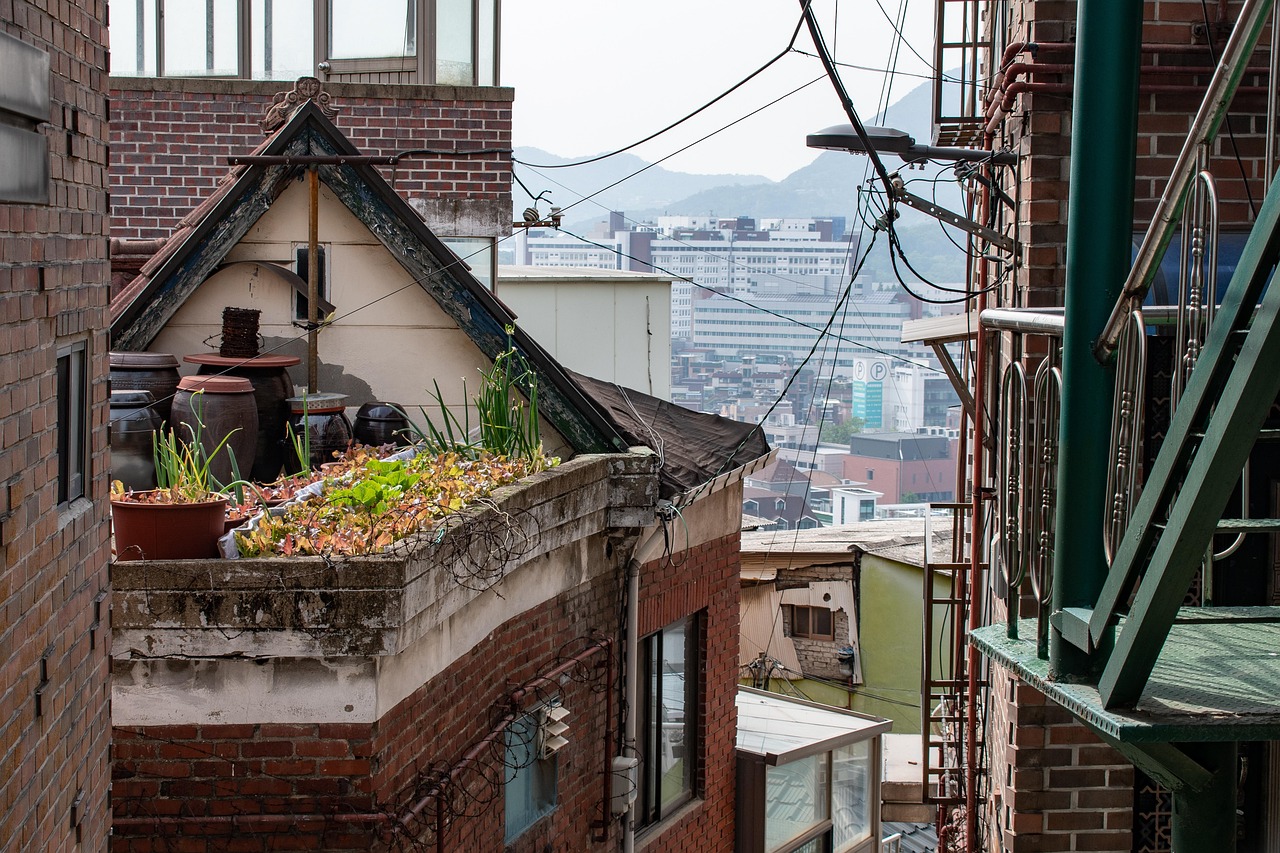
The environmental impact of roofing for industrial buildings Tampa is a significant consideration, especially when examining energy efficiency and the local climate. In this region, with its warm, humid summers and mild winters, the choice of roofing materials can significantly affect energy costs and building performance. Reflectivity and insulation play crucial roles in achieving energy-efficient industrial roofing, and nearby roofing experts for factories in Tampa have long recognized these factors.
Reflective roofing materials, designed to bounce sunlight and heat away from the building, are a popular choice for Tampa's conditions. Metal roofing, for instance, has high reflectivity and is known for its longevity. This characteristic reduces the amount of heat absorbed by the building, thereby lowering cooling costs. This reduction is particularly valuable for large industrial buildings, where cooling costs can be substantial.
Proper insulation is vital to maintaining a comfortable indoor temperature and minimizing energy waste. Tampa's climate requires efficient insulation that can withstand high humidity and temperature fluctuations. Experts recommend using high-quality, reflective insulation materials, which not only trap heat during winter but also reflect heat gain during the summer. This dual functionality can significantly improve a building's energy efficiency. Regular maintenance and the timely replacement of insulation are also crucial, as aging insulation can lose its effectiveness, leading to increased energy costs. Successful industrial roofing case studies in Tampa highlight the importance of comprehensive insulation, demonstrating energy savings of 20-30% in buildings with modern insulation systems.
Industrial roofing contractors Tampa FL can provide valuable guidance on selecting the most suitable materials for a given facility. They can assess the building's needs based on its size, orientation, and local climate conditions. By combining reflective roofing with efficient insulation, Tampa's industrial buildings can achieve notable energy savings, contributing to sustainability goals and reducing operational costs.
Local Regulations: Permits and Green Building Codes in Tampa

Local regulations play a crucial role in shaping the roofing landscape for industrial buildings in Tampa. Before initiating any roofing project, understanding the city's permits and green building codes is essential. Tampa has stringent environmental standards, and these regulations are designed to promote sustainable practices in the construction industry. One of the key aspects is the requirement for efficient water management systems, which is critical for large industrial buildings. The city's building code may mandate specific types of roofing underlayments to enhance drainage and prevent water damage, ensuring compliance with local environmental standards.
The best commercial roofers in Tampa often collaborate closely with building owners and architects to navigate these regulations. They stay updated on the latest green building codes, ensuring that every project not only meets the required standards but also contributes to a more sustainable Tampa. Emergency roof repair services near me are in high demand due to the potential for severe weather events, and experienced industrial roofing specialists are equipped to handle these situations while adhering to local regulations. A step-by-step guide to navigating these permits and codes can be invaluable for property managers, providing clarity and peace of mind.
Case studies of successful industrial roofing projects in Tampa can offer valuable insights into how these regulations are implemented in practice. A recent project involved the retrofit of an old industrial roof with a new, sustainable underlayment system. This not only improved the building's energy efficiency but also met the city's green building requirements. The project outcome had a positive community impact, demonstrating the importance of local regulations in driving environmental responsibility among industrial buildings in Tampa.
Future Trends: Innovative, Long-Term Roofing Solutions for Industrial Buildings

The future of industrial roofing in Tampa is characterized by a growing emphasis on sustainable and innovative solutions. As local industrial roofing contractors, we've witnessed a shift towards environmentally conscious materials and technologies that not only enhance the lifespan of industrial buildings but also contribute to the region's ecological well-being. One of the key trends driving this change is the development of advanced roofing systems designed to withstand Tampa's harsh conditions while minimizing their environmental impact.
For long-term roofing solutions, metal roofing is gaining popularity. This durable material offers excellent resistance to corrosion and fire, making it ideal for large industrial buildings. Metal roofing can be recycled, and many manufacturers now use recycled content in their products, reducing the industry's environmental footprint. Some local industrial roofing contractors are utilizing standing seam metal roofing, which provides a sleek, modern aesthetic while offering superior structural integrity. This trend is not only about aesthetics; it's about embracing technology that aligns with Tampa's commitment to sustainability.
Future-proofing industrial buildings in Tampa also involves incorporating smart roofing designs and technologies. These innovations can improve energy efficiency, reduce maintenance costs, and extend the roof's lifespan. Regular same-day roof inspection Tampa services play a crucial role in early detection of any issues, enabling prompt repairs and minimizing damage. Professional industrial roof maintenance is essential to ensure these advanced systems operate at peak performance. By integrating such solutions, industrial parks can achieve significant energy savings and contribute to a more sustainable Tampa community. This shift towards environmentally friendly roofing practices not only benefits the local economy but also sets a precedent for industrial buildings worldwide.
Frequently Asked Questions About The Environmental Impact of Different Roofing Materials for Industrial Buildings
What are the environmental considerations when choosing a roofing material for industrial buildings?
When selecting roofing materials for industrial buildings, environmental impact is a critical factor. Key considerations include the material's lifecycle, from manufacturing and transportation to installation and eventual disposal. Look for materials with a low carbon footprint, high recycling rates, and minimal toxic emissions during production. Longevity and durability are also important to reduce the need for frequent replacements.
How does the life cycle of different roofing materials affect the environment?
The life cycle assessment (LCA) of roofing materials reveals significant variations in environmental impact. While asphalt roofs are commonly used in industrial settings, their production releases harmful emissions and contributes to greenhouse gas emissions. In contrast, metal roofs often have a lower carbon footprint during manufacturing but may have higher embodied energy due to material extraction. Sustainable options like solar tiles or recycled metal roofing can offer reduced environmental impacts overall.
Are there any roofing materials that are more environmentally friendly than others for industrial applications?
While all roofing materials have some environmental impact, several options stand out for their sustainability. Metal roofing, particularly recycled metal, is highly durable and recyclable. Clay or concrete tiles, when sourced locally, have a lower carbon footprint due to reduced transportation. Solar tiles offer a unique advantage by generating clean energy while providing roofing protection. Greening roofs with vegetation can also improve energy efficiency and absorb rainwater.
What role does the local climate play in choosing environmentally-friendly roofing materials?
The local climate significantly influences the choice of environmentally-friendly roofing materials. In regions with high solar exposure, reflective roofs can reduce cooling costs and mitigate the "urban heat island" effect. In areas prone to severe weather, durable materials like metal or concrete tiles offer superior resistance to wind, hail, and snow. Consider the specific needs of your region when selecting a roofing material that balances sustainability and performance.
How can I minimize the environmental impact of roofing materials for my industrial facility?
Minimizing the environmental impact of roofing materials involves several strategies. Choose materials with a proven track record of sustainability. Prioritize local suppliers to reduce transportation emissions. Implement proper recycling programs for materials like asphalt shingles. Consider green roofing options to enhance energy efficiency and water management. Regularly inspect and maintain your roof to prolong its lifespan.
As Tampa's industrial landscape continues to evolve, understanding the environmental impact of roofing materials is crucial for sustainable development. The article has explored the multifaceted nature of roofing for industrial buildings in Tampa, from the initial assessment of materials' environmental footprints to the integration of innovative, long-term solutions. Key insights reveal that while traditional materials carry legacy issues like lead and asbestos, Tampa's green building codes and local regulations are driving a shift towards eco-friendly alternatives.
Through life cycle analysis, we've learned that the entire lifecycle of industrial roofs-from manufacturing to installation and eventual removal-has a significant environmental impact. However, this also highlights the potential for positive change. Sustainable roofing options, such as metal and modern substitutes, offer reduced environmental harm and improved energy efficiency, thanks to their reflectivity and insulation properties tailored to Tampa's climate.
Future trends point towards an increasingly integrated approach, where roofing design and technology merge with regular maintenance and safety protocols to create resilient, low-maintenance systems. This not only reduces the overall cost of ownership but also ensures the safety and well-being of workers on industrial sites across Tampa.
The article's comprehensive look at roofing for industrial buildings in Tampa equips readers with the knowledge to make informed decisions. By considering the environmental footprint, local regulations, and the evolving landscape of roofing technology, Tampa businesses can contribute to a greener, more sustainable future while ensuring their industrial buildings remain protected.
Roofing for Industrial Buildings in Tampa: A Practical guide
Tampa businesses must balance cost and sustainability when choosing industrial roofing. Metal roofing, known for its longevity and recyclability, outperforms traditional materials. Life cycle analysis (LCA) is crucial for evaluating environmental impact across material sources, manufacturing, and disposal. Green roofing options, like fiber-cement, offer eco-friendly alternatives with superior durability. Local regulations govern industrial roofing, with green building codes driving sustainable practices. Future trends include advanced metal roofing technologies and smart systems for improved energy efficiency and maintenance. Regular maintenance is vital to extend roof lifespans and minimize environmental impact.